
Common Exterior House Painting Problems in Hobart
Exterior paint has a hard job.
It is constantly exposed to sun, rain, wind, moisture and temperature changes. Around Hobart, that can mean strong UV, winter damp, coastal exposure and plenty of weather hitting the same surfaces year after year.
When exterior paint starts to fail, the symptoms often tell you something about the condition underneath.
Here are some of the most common exterior painting problems we see.
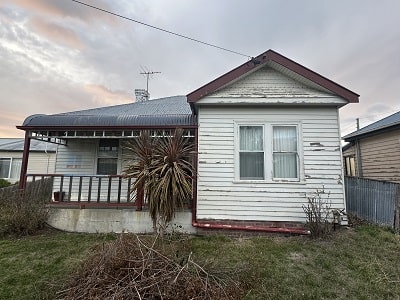
1. Peeling and Flaking Paint
Peeling paint usually means the existing coating has lost adhesion.
That can happen because of:
- Poor previous preparation
- Moisture behind the coating
- Ageing paint
- Painting over a weak or chalky surface
- Bare timber that was not primed properly
- Movement in the substrate
Simply painting over peeling areas will not solve the problem.
Loose material needs to be removed, the cause investigated and the surface prepared properly before repainting.
2. Chalking
Chalking is the powdery residue that can develop on exterior paint as the coating breaks down.
A small amount can occur as paint ages, but heavier chalking can interfere with the adhesion of new paint.
Before repainting, the surface needs to be cleaned and assessed properly.
If new paint is applied straight over a heavily chalked surface, the new coating may not bond as well as it should.
3. Cracking Paint
Cracking can appear in different forms.
Sometimes it is the coating itself. In other cases, movement in the timber or substrate underneath is contributing to the problem.
Older Hobart homes can have layers of previous coatings, timber movement and repairs from different periods.
The important thing is not just filling what you can see. The surface needs to be prepared so the new coating has the best possible chance of performing properly.
4. Blistering or Bubbling
Blisters or bubbles can form when the paint film loses contact with the surface underneath.
Moisture is one possible cause, but heat, poor adhesion or previous coating problems can also contribute.
Before repainting, it is worth understanding why the coating has blistered rather than simply sanding the bubbles flat and covering them again.
If an underlying moisture problem exists, that should be addressed first.
5. Failed Gaps and Sealants
Gaps around trims, windows, weatherboards and other joints can open up over time.
Old sealants can crack, shrink or pull away.
These areas can allow moisture into vulnerable parts of the exterior and may also make the finished paintwork look untidy.
Part of good preparation is identifying where gaps or failed sealants need attention before painting begins.
6. Exposed or Weathered Timber
When paint wears away and timber becomes exposed, the surface can start to weather.
You may see:
- Grey timber
- Rough fibres
- Splitting
- Raised grain
- Deterioration around joints or end grain
The condition of the timber determines what preparation is required.
That may include sanding, cleaning, priming and repairs before the new coating system is applied.
For older homes, our Weatherboard Painters Hobart guide explains more about working with ageing timber exteriors.
7. Mould or Mildew on Exterior Surfaces
Dark spotting or growth on painted surfaces can occur in areas that remain damp or receive limited sunlight.
Paint alone is not a cure for an underlying moisture or drainage issue.
The cause should be considered and the surface properly cleaned and prepared before repainting.
Suitable coating choices may help in some conditions, but they do not replace fixing the source of ongoing moisture.
8. Fading and Uneven Colour
Exterior colours can fade gradually with exposure.
Different sides of the same house may age at different rates depending on sun, weather and shelter.
Fading is often mainly cosmetic, but when combined with chalking or other signs of deterioration it may indicate the coating is reaching the point where repainting should be considered.
Why Exterior Paint Fails Early
Sometimes paint reaches the end of its serviceable life naturally.
Other times, failure happens much sooner than expected.
Common reasons include:
- Inadequate preparation
- Painting over dirt or chalking
- Incorrect or missing primers
- Moisture problems
- Weak existing coatings
- Poorly prepared bare timber
- Applying products unsuitable for the surface or conditions
The quality of the finish coat matters, but preparation underneath it is just as important.
Hobart Weather and Exterior Painting
Hobart homes can be exposed to very different conditions depending on where they are.
A sheltered home may behave very differently from one exposed to strong sun, prevailing weather or coastal conditions.
That is why we do not assume every exterior needs exactly the same treatment.
We inspect the existing coatings, the surface underneath and the exposure before deciding what preparation and coating system makes sense.
For more information, see our Exterior Painters Hobart service page.
Should You Repair the Paint or Repaint the Whole Exterior?
It depends on how widespread the deterioration is.
A small isolated problem may only require local preparation and repair.
If peeling, chalking, exposed timber or coating failure is appearing across several areas, a broader repaint may make more sense.
Access, previous coatings and the condition of the substrate can also influence the decision.
That is why an inspection is usually more useful than trying to judge the job from a few photos.
Do Not Ignore the Cause
One of the biggest mistakes with exterior paint failure is treating the symptom without addressing the cause.
If moisture, rotten timber or another building defect is behind the problem, painting over it will not make that issue disappear.
The defect should be dealt with first. The affected surfaces can then be prepared and repainted properly.
Exterior Painting in Hobart
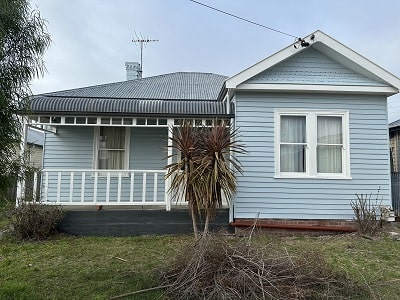
Performance Painting has been working on Hobart homes since 1994.
Our approach is to inspect the condition properly, identify the preparation required and use a coating system suitable for the surface and exposure.
Our workmanship is backed by our 5-year workmanship warranty, provided the coating system is maintained as recommended.
If you are trying to understand the likely cost of exterior painting, our Hobart painting cost guide explains some of the factors that can affect pricing.
Get a Quote
If your exterior is peeling, cracking, chalking or showing exposed timber, we can inspect it and explain what preparation is likely to be required.
Book a free quote and we’ll take a proper look before recommending the best approach.
Frequently Asked Questions
What causes exterior paint to peel?
Possible causes include poor preparation, moisture, weak existing coatings, ageing paint and incorrect priming.
Can I paint over chalky exterior paint?
The surface should be properly cleaned and assessed first. Heavy chalking can affect the adhesion of new coatings.
What causes bubbles in exterior paint?
Blistering can have several causes, including moisture, heat and poor adhesion. The cause should be investigated before repainting.
Does mould mean the paint has failed?
Not necessarily. Mould or mildew can develop because of damp, shade and environmental conditions. The underlying cause should be considered before repainting.
Should peeling paint be fixed straight away?
It is usually better to deal with deteriorating coatings before the affected areas become more extensive.